Result Area 2
Inclusive and sustainable water management practices introduced and strengthened with the following outputs:
Output 2.1 Communities, with equal participation from all, are able and motivated to manage and protect water bodies, water sources and groundwater.
Output 2.2 Climate-resilient, safe and functional multiple-use water services and total sanitation
The challenge
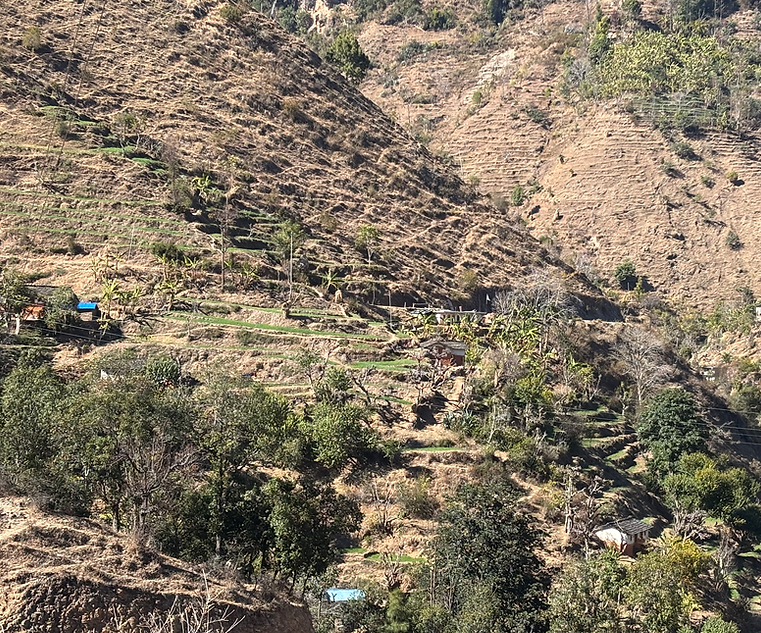
Despite Nepal’s vast water potential, many rural communities in Sudurpashchim and Karnali province still lack access to safely managed drinking water. Climate change manifests as “too much or too little” water: winter rains have declined, leading to drying spring sources, while intense monsoons cause floods that destroy water supply infrastructure. This scarcity disproportionately affects women, marginalized, vulnerable community and persons with disabilities, who face physical barriers and enforce the long travel times to fetch water. At the same time, harmful social norms like Chhaupadi (menstrual isolation) continue to restrict women from using household taps or toilets during their periods. Furthermore, a lack of effective operation and maintenance (O&M) systems often means that even when infrastructure is built, it fails to remain functional over time.
Our Work
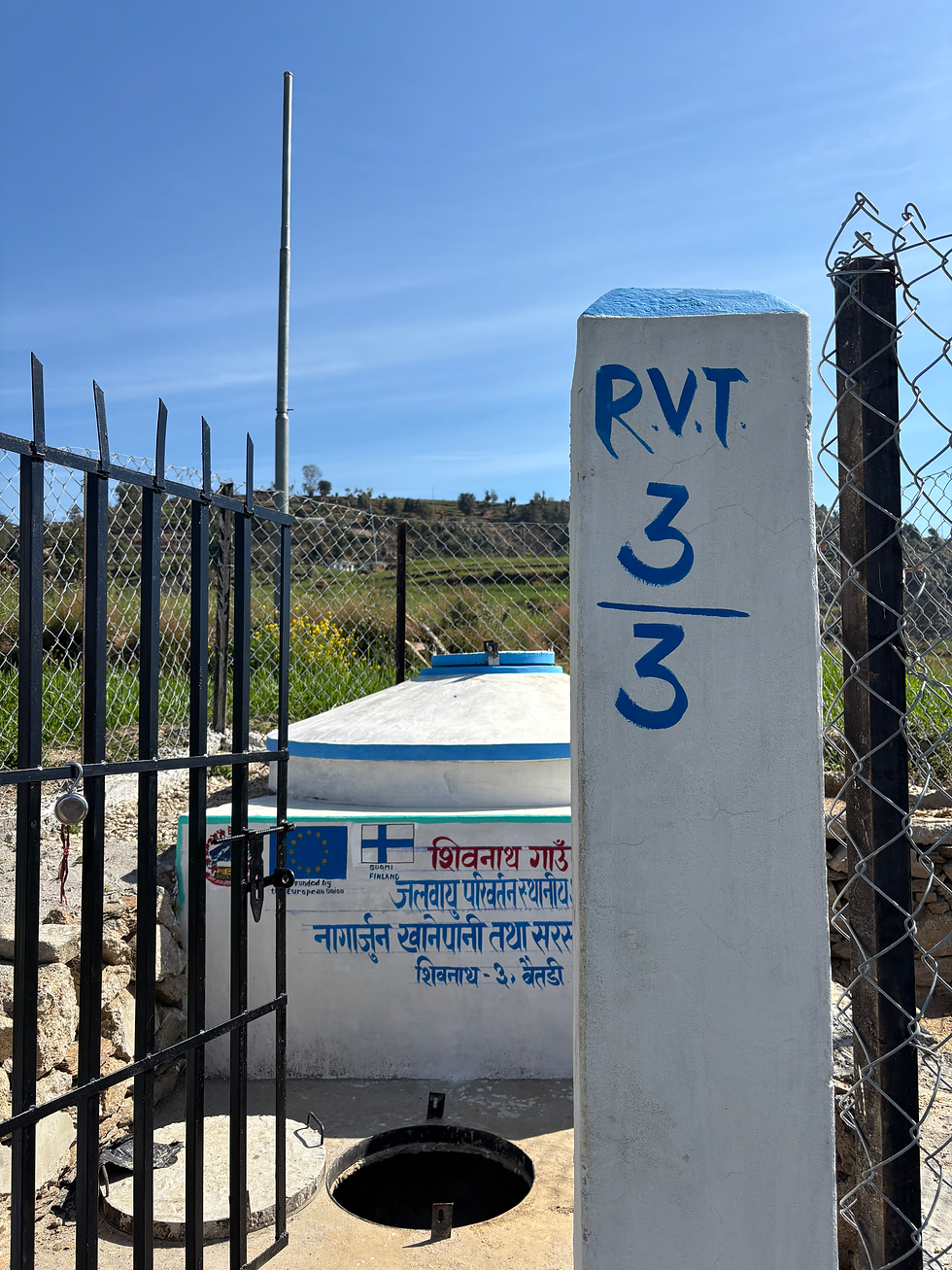
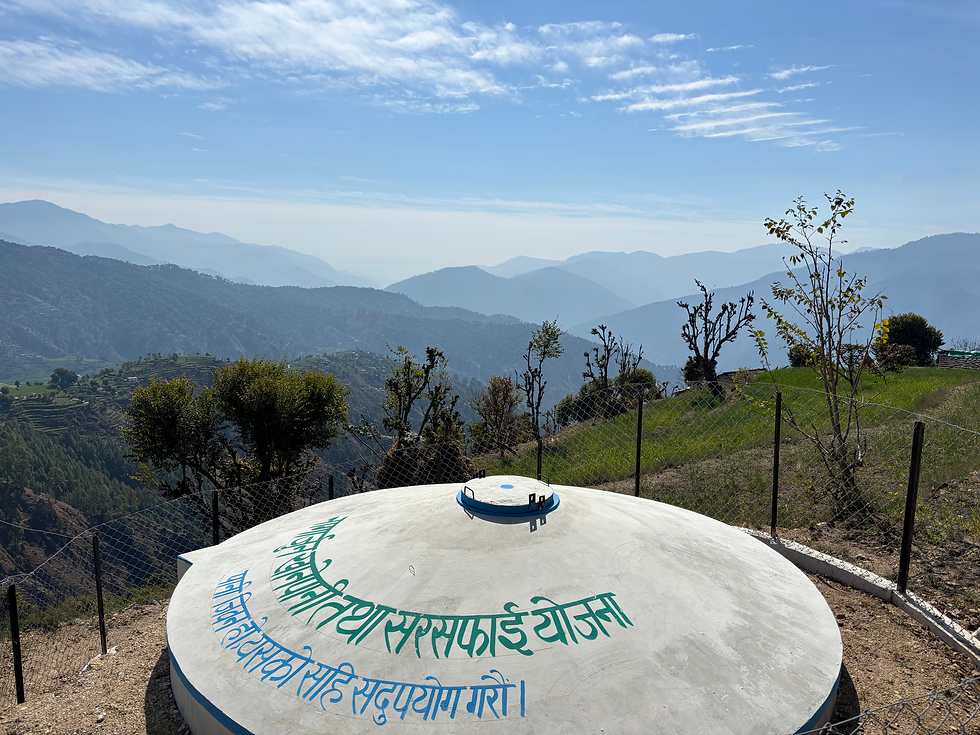
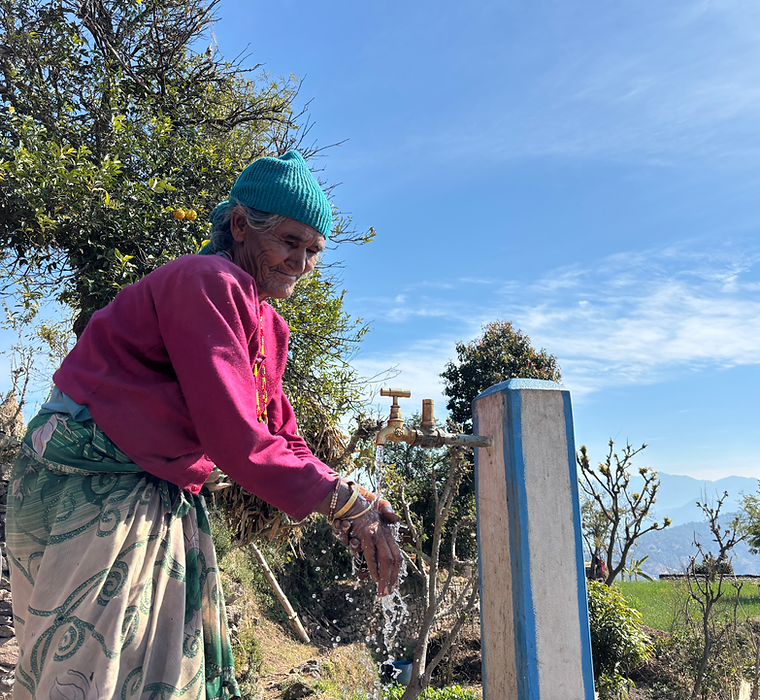
LACC implements Integrated Water Resource Management (IWRM) interventions by constructing and rehabilitating climate-resilient drinking water supply and multiple-use systems (MUS). A core priority is the Multiple Use System which provides water for the regular use and small-scale irrigation, maximizing the benefits of a single source for both domestic and livelihood purposes. To ensure technical sustainability, the project introduces Climate-Resilient Water Safety Plans (CR-WSPs) to identify and mitigate risks like water source depletion or landslide and flood damage. LACC implements schemes through the inclusive user committee, a community-led model, empowering Water Users and Sanitation Committees (WUSCs) to manage budgets, procurements and construction, which ensure the ownership necessary for long-term sustainability. The project also prioritizes Total Sanitation in those schemes, supporting households and schools with preparing the accessible, gender-sensitive, and disability-friendly facilities along with conducting awareness campaigns to challenge menstrual taboos as well as other social behavior barriers.
The Change We Aim to See
Communities that once reacted to climatic disasters are now proactively prepared for adaptation with local technological options. We aim to see springsheds and watersheds restored and maintained; sustainable water supply systems functioning throughout the year till the design period; and local lives and livelihoods resilient against extreme climate change effects.
Examples of Our Activities
Water Supply Infrastructure
Construction of solar-powered lift systems and gravity-fed drinking water schemes.
Multiple Use Service Systems
(MUS)
Preferring low-cost technological options like soil-cement irrigation ponds with offtake that utilize excessive water from drinking water supply system and micro irrigation technologies for home gardens and other agricultural activities. Waste water from household taps is also utilized for the home garden activities. Similarly, Project supports conventional Irrigation systems along with Improve Water Mills (IWM) as MUS system with more than one service to beneficiaries.
Water Sources Protection and Conservations
Use of water sources, ensuring protection of springs and catchment areas, constructing recharge ponds, pits and trenches and rainwater harvesting structures.
Total Sanitation
Support in the construction of tailored disability-friendly household sanitation infrastructure for total sanitation and behavior change in the schemes. Project also promote the user-friendly school WASH facilities envisioning Three Star and Climate Smart School.
Climate Resilient Water Safety Plan
(CR-WSP)
Formulation and implementation of CR-WSPs in the water supply schemes to make a sustainable climate adaptive system.